Fantasy Cricket Basics — Rules, Roles, Strategy & Glossary
A complete beginner guide to fantasy cricket: rules, contest ladder, glossary, strategy habits and format-by-format differences.
C11 Editorial team · Consider11Updated weeklyReading time ~ 8 minutes
What is fantasy cricket?
Fantasy cricket is a skill-based contest where you build a virtual XI from real players and earn points based on those players' actual performance in a real match. The contests are operated by licensed platforms like Consider11 and are legal in most Indian states.
Core rules every player should know
You pick 11 players within a salary cap.
You choose a captain (2x points) and a vice-captain (1.5x points).
Your XI must meet the operator's role-balance requirements — typically one wicketkeeper, three to six batters, one to four allrounders and three to six bowlers.
You can join multiple contests for the same match with different XIs.
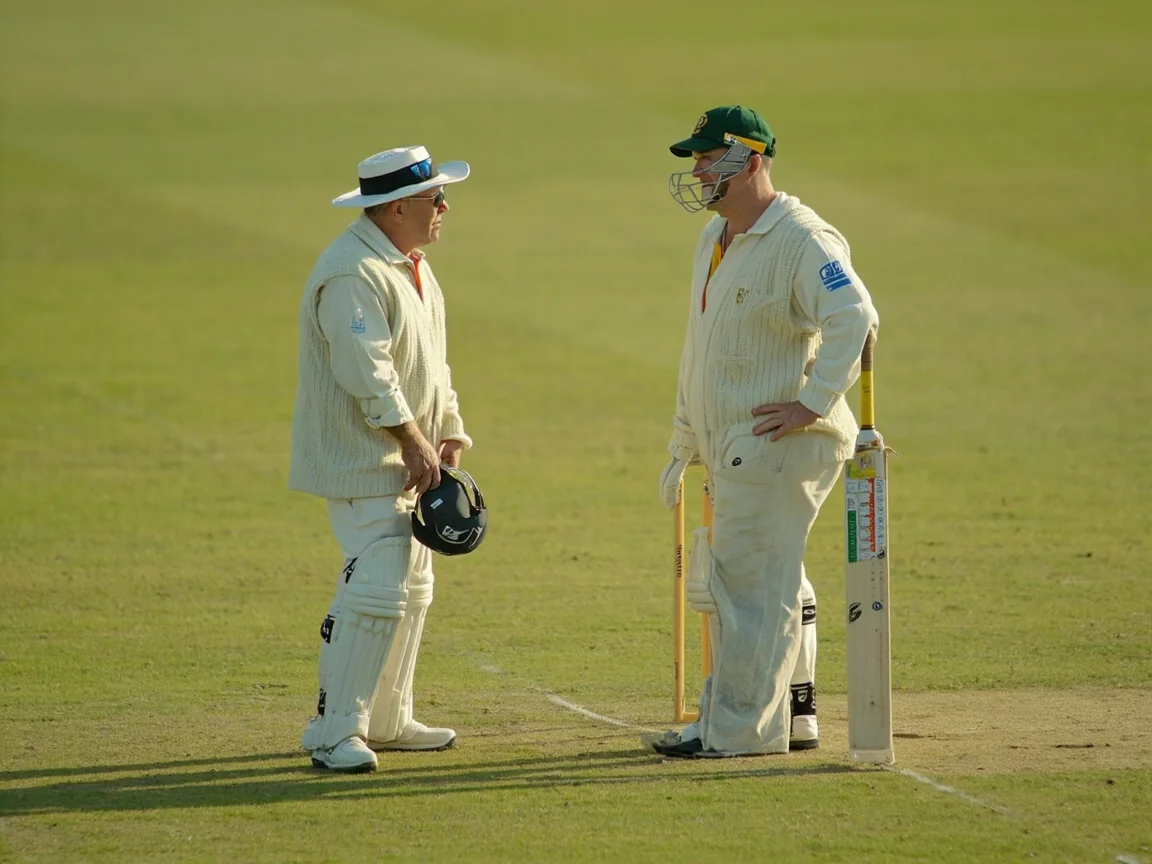
Figure 1 — Real-world roles map directly to your fantasy XI. Picking the right role for the venue matters more than picking the biggest name.
The contest ladder
Most platforms offer a ladder from low-variance practice contests to high-variance mega contests.
Tier
Variance
Best for
Practice contests
None
Learning the interface and testing captain picks.
Head-to-heads
Low
One confident pick against another player.
Small-group leagues
Medium
Balance and consistency.
Mega contests
High
One big captain pick can carry the entire XI.
Winner-takes-all
Very high
Use sparingly; treat as a coin-flip.
A beginner glossary
XI
Your selected eleven players. Every fantasy XI costs a slice of the operator's salary cap.
Captain
The single highest-leverage pick in your XI. Your captain's score is multiplied by 2x.
Vice-captain
The captain's hedge. Multiplied by 1.5x. Pick a player who will bat even if your captain has a quiet day.
Credits / salary cap
The total budget you have to build your XI. Bigger names cost more credits; role players cost less.
Contest
The pool you enter. Different contests have different sizes, fees and prize structures.
Lock
The deadline before which your XI must be finalised. Lock usually happens at the toss.
The strategy behind a strong XI
Strong XIs come from the same five habits:
Match your captain pick to the venue.
Confirm role stability through the operator's preferred cricket feed.
Balance your XI between safe anchors and one or two differentials.
Avoid locked players who are rumoured to be rested.
Review after every contest and update your mental model.
Format differences
T20, ODI and TEST contests all run on the same interface but reward different player profiles. T20 rewards powerplay aggressors and death-over bowlers. ODI rewards anchors who can bat deep and bowlers who can build pressure. TEST rewards accumulators and bowlers who can extract seam or spin movement.
T20, ODI and TEST contests reward different player profiles. T20 is the most popular format on Indian fantasy platforms because matches are short, contests are frequent and the captain pick has the highest leverage. ODI contests reward anchors and pressure-builders; TEST contests reward accumulators and bowlers who can extract movement.
The desk recommends starting with T20 contests and adding ODI and TEST previews once you have a settled T20 process. The five-signal preview method applies to all three formats with format-specific adjustments.
Squad construction in depth
A fantasy XI is constrained by the salary cap, the role-balance rules and the operator's substitution rules. The strongest squads respect all three constraints. The desk recommends building the XI in this order: confirm the captain, fill the role-balance slots, allocate the remaining salary cap to the highest-value bench players, then check the substitution rules.
The economics of contest formats
Practice contests are free; paid contests are not. The expected value of a paid contest depends on the entry fee, the field size and the prize distribution. Most casual players should treat paid contests as entertainment spend, not as an investment. The desk does not recommend contest formats on the basis of expected value; we recommend them on the basis of fit with the reader's risk appetite.
Running the same XI across multiple contests
Many readers run the same XI across a small-group league and a head-to-head for the same match. The advantage is consistency — your read is the same across both contests. The disadvantage is correlation — if your captain has a quiet day, both contests are quiet. The desk recommends pairing one high-variance contest with one low-variance contest on the same match.
State restrictions and contest access
Some states restrict paid fantasy contests entirely. The operator's eligibility check on the registration page enforces the restriction; if your state is restricted, you cannot deposit or join paid contests. The legal status guide explains the current state of regulation.
Quick answers
Frequently asked questions
Is fantasy cricket gambling?
No. In most Indian states, fantasy cricket is treated as a game of skill because player selection, captaincy and contest strategy reward knowledge and judgment.
How much does it cost to start?
Many operators allow free practice contests. The first paid deposit is up to you.
Can I play on multiple platforms?
Yes. Most readers keep accounts on multiple platforms and compare captain picks before locking.
What is the most important slot?
The captain. Two slots decide the leaderboard: captain and vice-captain.
The evolution of fantasy cricket in India
Fantasy cricket has evolved from a small niche in the early 2010s to a mainstream hobby. The desk tracks the evolution through major regulatory decisions, platform launches and the rise of daily fantasy formats. The current state of the market is a handful of well-funded operators competing on contest variety, marketing spend and editorial context.
The statistical edge
The statistical edge is the small advantage that careful analysis gives you over casual players. Most casual players pick their favourite players; careful players pick on the basis of role, venue, recent sample and match-up. The statistical edge is small but consistent; over a season, it adds up.
News vs. analysis
The desk publishes both news (factual updates) and analysis (interpretive reading). The news tells you what happened; the analysis tells you what it means for fantasy cricket. The desk separates the two clearly on every article.
The fantasy-cricket community
The Indian fantasy-cricket community is large and active. Most readers participate in online forums, Discord servers and WhatsApp groups. The desk does not endorse any specific community but acknowledges that community participation is part of the hobby for many readers.
A short terminology primer
Three terms every fantasy player should know. "ROI" (return on investment) is the contest winnings minus the contest entry fees, divided by the entry fees. "Edge" is the small statistical advantage that careful analysis gives you over the field. "Variance" is the difference between expected and actual results — high variance means high swings.
Bankroll management basics
Bankroll management is the practice of allocating your contest budget across multiple contests to reduce variance. The desk recommends never putting more than 5% of your total bankroll on a single contest. This rule reduces the chance of a single bad contest wiping out your bankroll.
Specialist vs. generalist
A specialist focuses on one or two formats (T20 only, for example); a generalist plays all three formats. Specialists tend to do better on their formats of choice; generalists have more contests to choose from. The desk recommends starting as a specialist and expanding as you gain experience.
When to stop
The desk recommends stopping when you have lost your pre-set entertainment budget, when you have been playing for longer than your pre-set time, or when playing stops being fun. The responsible play guide has a longer list of warning signs.
Creating a team from scratch
If you are building a team from scratch, start with the captain pick. Pick the player who best matches the venue and the conditions. Then fill the role-balance slots. Then allocate the remaining salary cap. Finally, check the operator's substitution rules.
Tools the desk uses
The desk uses the operator's preferred cricket feed for team news, the broadcaster's team news for the toss and playing XI, a venue log for the surface reading, and a player profile table for the role read. We do not use third-party scrapers or trackers.
When to copy an XI
Copying an XI from a friend or from a public post is fine for learning, but it removes the captain pick as a learning opportunity. The desk recommends building your own XI for at least the first twenty matches before you start copying.
When to specialise
After twenty matches of experience, you will know which formats you enjoy and which roles you are good at picking. The desk recommends specialising in one or two formats after the initial learning period.