The evening at Chinnaswamy
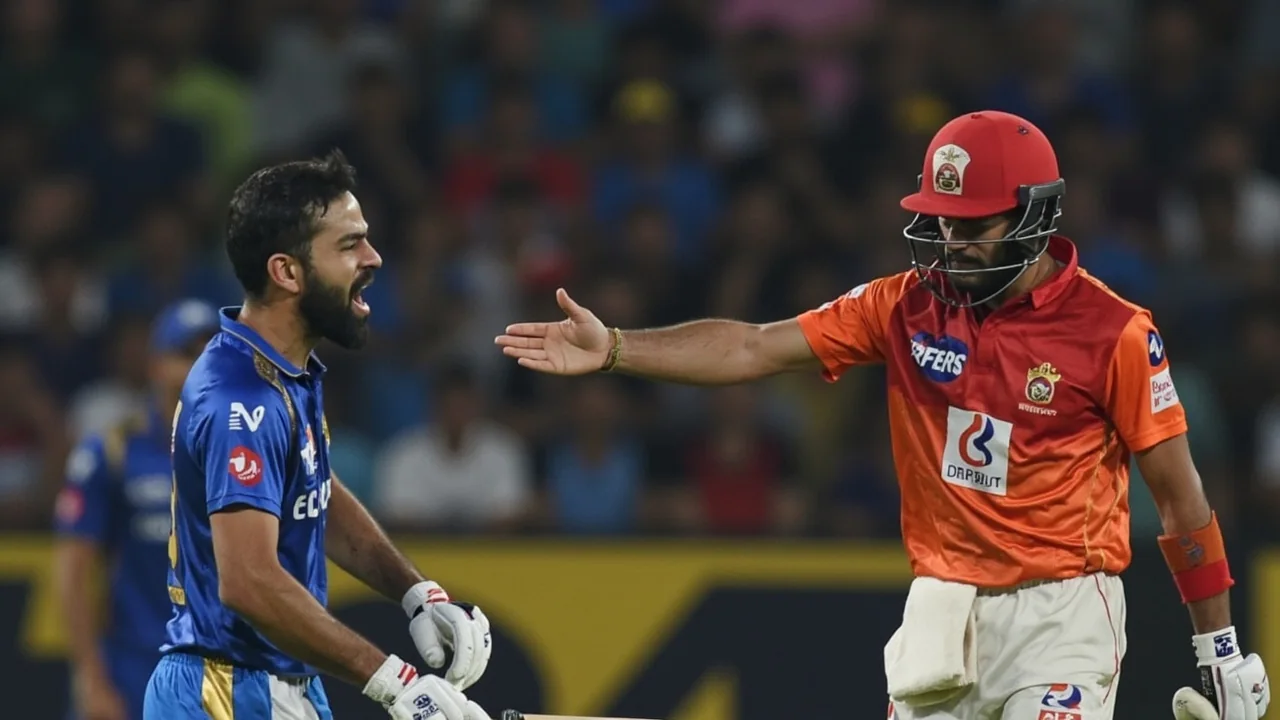
The throwback landed on JioHotstar with the same setting that has defined the rivalry ever since: an IPL evening in Bengaluru, two captains at the middle, and a run chase that went sideways before it had truly begun. Former international umpire Anil Chaudhary, who stood in the match, recalled the April 11, 2013 fixture between Royal Challengers Bengaluru and Kolkata Knight Riders at the M Chinnaswamy Stadium and described how quickly the temperature changed after RCB lost a wicket during the chase.
Chaudhary framed it as a confrontation he had, in his own words, already anticipated. The two captains, he said on the broadcast, played the game with an aggressive streak that he had learnt to read across years of officiating Kohli's matches since his junior-cricket days. He put the position plainly: "There's a limit, and it shouldn't be crossed." It was a measured defence of Kohli's competitive fire, paired with a clear boundary for what an on-field captain owes the match and the officials around him.
How the confrontation started
The flashpoint came after Kohli was dismissed during the RCB run chase. As he walked back toward the pavilion, words were exchanged. Kohli turned back toward Gambhir before teammates and match officials moved between the two. Within seconds the picture that JioHotstar's audience saw thirteen years later was already familiar: two senior India players squared up under lights, with the umpires, the batting coach at the time, and a clutch of support staff closing in to separate them.
Chaudhary's framing matters because it was not a rumour-driven retelling. He was on the field, he officiated the match, and he had watched both players build up to the moment over the course of the innings. The walk-off became the moment everyone remembers, but Chaudhary's description makes clear the walk-off was the second half of a build-up that started well before Kohli's dismissal.
Chaudhary's verdict on the behaviour
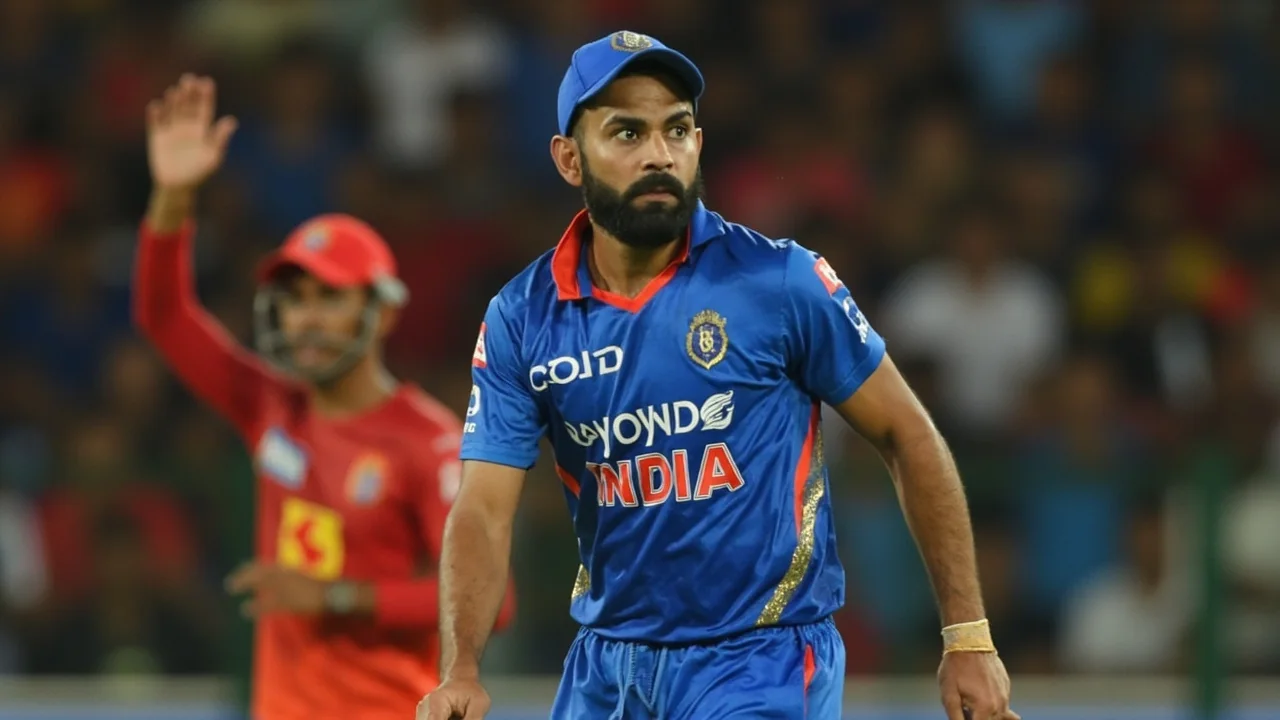
The clearest line from the JioHotstar interview is also the most useful one for anyone trying to understand the episode. "He doesn't have any malice," Chaudhary said of Kohli, "He reacts aggressively sometimes, but if you're right, he'll give you a thumbs up too." It was the same distinction Chaudhary drew when explaining why he anticipated trouble: aggression is part of competitive cricket, malice is a different category entirely, and umpires learn to read the difference quickly when they have stood in the same player's matches since his junior-cricket days.
Chaudhary then drew the line that gave the interview its title. "There's a limit, and it shouldn't be crossed." The line was not a rebuke of Kohli's temperament. It was a reminder that the heat of a chase does not extend to the moment after a wicket falls, and that the walk from the middle to the pavilion is still part of the match the umpires are running. For Chaudhary, the limit is a practical one: the moment the conversation between two players stops being about cricket and starts being about each other, the umpires have to step in, and the rest of the squad will follow the tone the two captains set.
Why the April 2013 moment still matters
The reason the April 2013 episode is still the reference point whenever the two names come up in the same sentence is not the altercation itself. It is what the altercation revealed about how Kohli, Gambhir and the rest of the league's senior India players carried themselves in the highest-pressure moments of a T20 chase. Chaudhary's recounting of his pre-match read — that the two captains would bring an intensity that could spill over — has been replayed in different forms almost every season since. RCB fans remember it as the night their new captain showed he would not be walked over. KKR fans remember it as proof that Gambhir, even as the visiting captain, would not be the first to look away.
For fantasy readers, the lasting value of the moment is simpler. The April 2013 fixture is the cleanest reminder in IPL history that captain behaviour and captain selection are not separate conversations. The way a captain carries himself on the field shapes the way his bowlers bowl the death overs, the way his batting order behaves in a tight chase, and the way his team-mates absorb pressure when the match turns. A captain who can hold the temperature without boiling over is one of the highest-leverage picks a fantasy XI can make.
A decade later, the sequel at Lucknow
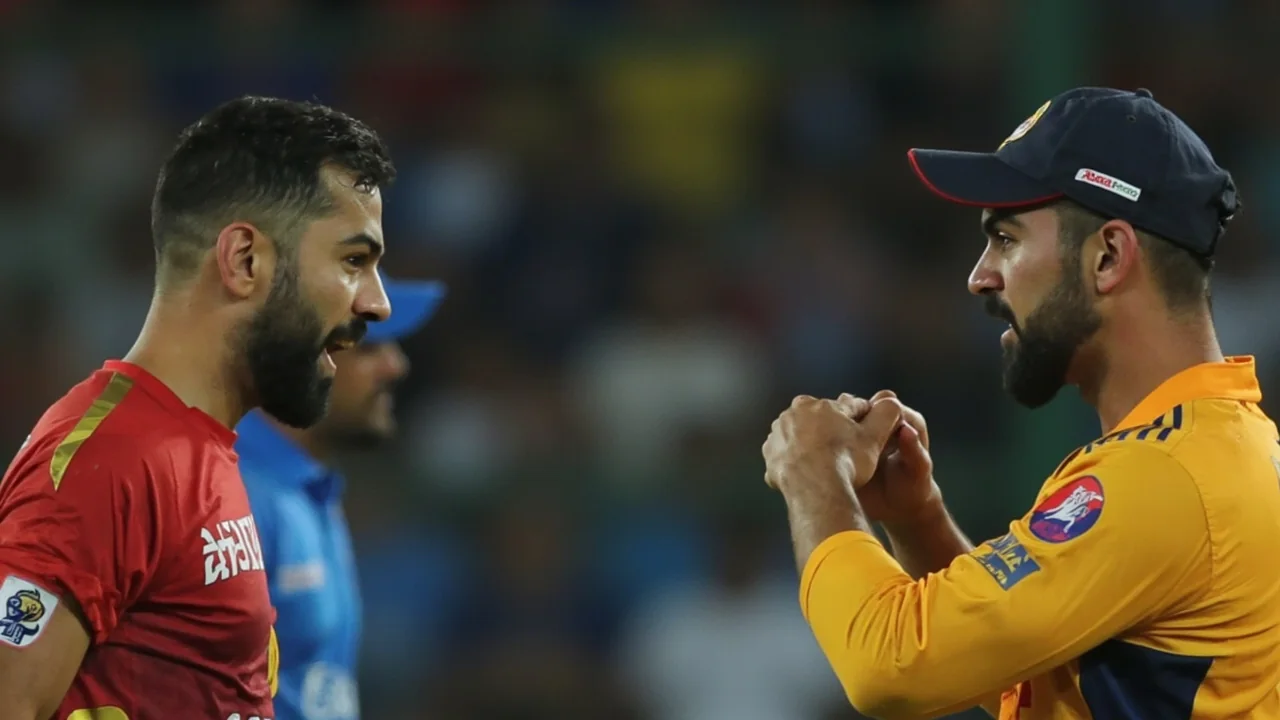
A decade after Chinnaswamy, the two men produced the sequel that confirmed Chaudhary's read of the rivalry. During the IPL 2023 season, Royal Challengers Bengaluru's win over Lucknow Super Giants was followed by a heated post-match exchange that involved Gambhir, then LSG's mentor, and LSG pacer Naveen-ul-Haq, with Kohli drawn into the confrontation during the handshakes. The episode ran for a full news cycle, prompted fines and an apology from Gambhir, and forced the league to revisit its code of conduct around end-of-match behaviour.
The 2023 sequel also carried one quiet detail that fantasy readers can use in their own match-day prep. The flashpoint did not start with the captains. It started with a younger fast bowler and an over-fiery post-match handshake. By the time the senior players arrived at the conversation, the temperature was already out of anyone's hands. Chaudhary's 2013 read — that aggression is part of the format, malice is not — maps directly onto how a modern fantasy XI has to think about captain and vice-captain selection in a league where the undercard can boil over as easily as the headline act.
Where both men are now
The 2026 chapter of the story is straightforward, and it is the part that makes the retrospective worth reading for fantasy players who came in late. Kohli continues to represent Royal Challengers Bengaluru in the IPL, into the back half of a career that has spanned more than fifteen years of senior cricket. Gambhir is currently serving as India's head coach, a role that has kept him at the centre of the national team's dressing-room conversations about exactly the kind of composure Chaudhary was describing in 2013. The two have continued to be photographed together — at auction tables, at national-team camps, at IPL ceremonies — and the photo editors around the league still smile at the framing.
For fantasy readers building an XI around either franchise, the practical upshot of all of this is that the captaincy role at RCB and the senior India set-up are both settled positions. Kohli's batting position is no longer the contested variable it was when he was first handed the RCB captaincy in 2013; Gambhir's role is a coaching one, not a playing one. That makes both of them more predictable captaincy picks on the fantasy side, which is the opposite of what the April 2013 episode would have suggested.
What fantasy readers take away from the retrospective
The cleanest fantasy lesson from the Chaudhary interview is the one Chaudhary himself spelled out. Aggression is part of the format. Captaincy is the slot where aggression meets composure. The fantasy XI that locks in a captain for the right reason — confirmed role, recent sample, venue record — is the XI that survives the moment when the match turns, the chase tightens, and the temperature on the field rises in the way it did at Chinnaswamy in April 2013.
There is one practical signal worth keeping in mind for the next time RCB and KKR, or RCB and LSG, share a fixture. Captain picks against a side that is likely to play with the temperature high should err toward the role player whose job is to absorb pressure, not the marquee name whose job is to provide the headline. That is the same call Chaudhary was making when he anticipated trouble in 2013: he read the role, the recent sample and the conditions, and he let the personalities stay on the field. Fantasy readers who build their XIs on the same three signals will give themselves the same clean view of the contest.
The source, the umpire and the broadcast
This retrospective is built on the August 3, 2026 report by Probuddha Bhattacharjee in Hindustan Times, drawing on Anil Chaudhary's interview broadcast on JioHotstar. Chaudhary is the source for the officiating detail and for the quoted judgements on Kohli's behaviour. The IPL 2013 fixture, the venue and the dates of the two flashpoints are taken from the same report. No additional statistical claims, head-to-head numbers or off-field rumours have been added. Where a claim could not be traced back to the broadcast or the report, it has been left out.
Related reading from the desk
Readers who want to put the captaincy signal into practice this match week will find the desk's fantasy cricket guide useful — it walks through the role split, the captain multiplier and the venue-and-form framework that this retrospective leans on. The match previews carry the same five-signal method on a daily basis, and the points system reference is the cleanest way to confirm how a captain pick converts into fantasy points in T20, ODI and TEST formats.