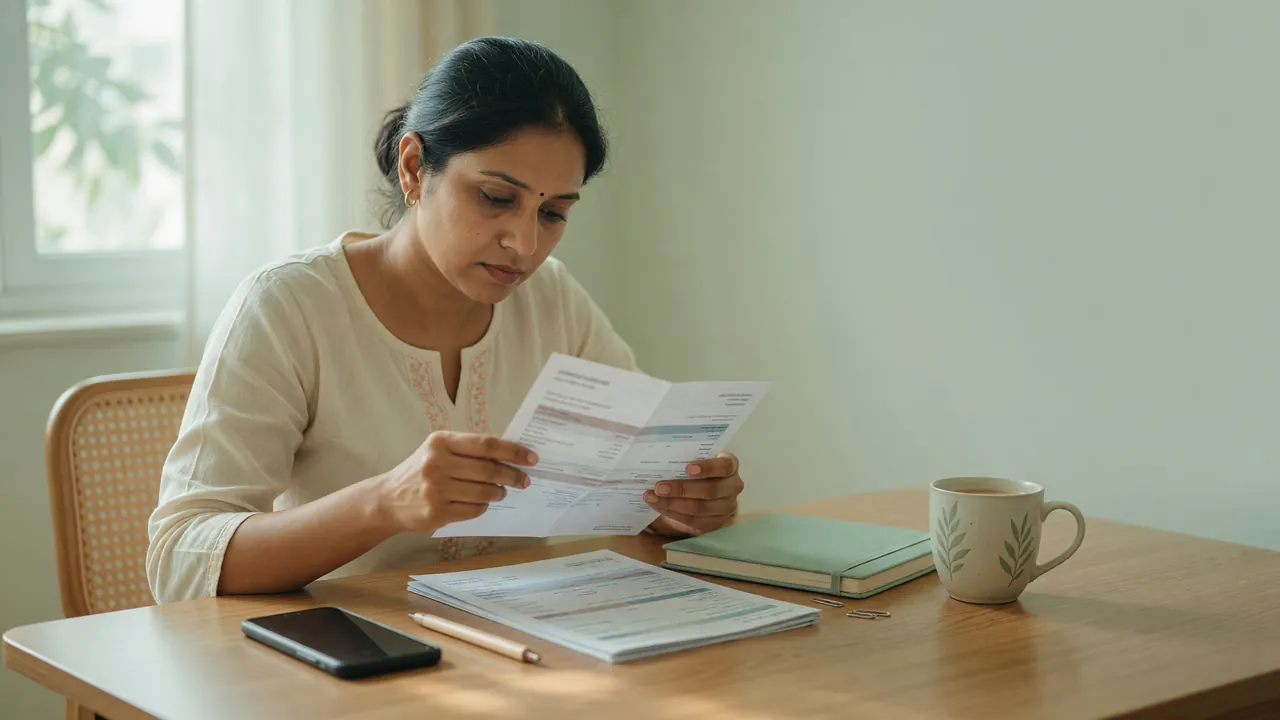
A practical guide to Consider11 withdrawals and KYC: documents, limits, processing times, common rejection reasons and the escalation path.
C11 Editorial team · Consider11Updated weeklyReading time ~ 8 minutes
The withdrawal flow at a glance
Complete KYC verification (see below).
Open the withdrawal section inside the operator's app.
Choose the verified payment method (bank account or UPI).
Enter the amount, confirm and wait for processing.
KYC documents you will need
Document
When required
Government photo ID (Aadhaar, PAN, passport, voter ID, driving licence)
Always
Address proof (utility bill, bank statement)
Sometimes, for higher withdrawals
Bank account or UPI VPA verification (penny-drop)
Always
Source-of-funds declaration
For larger or recurring withdrawals
Limits and processing times
Operators typically publish minimum and maximum withdrawal amounts. Processing times vary by payment method and verification status. We document what we have been able to verify in the independent review and update the figures when we have new evidence.
Common rejection reasons
Mismatch between the bank account holder and the verified account holder.
Incomplete KYC documentation.
Bonus-related wagering requirement not yet met.
Suspicious activity flags from the operator's compliance team.
If a withdrawal is delayed
Confirm your KYC documentation is complete.
Check the operator's published processing time.
Reply to your existing support ticket — do not open a new one.
Escalate through the customer-care guide if the delay exceeds the published window.
KYC anomalies happen when the operator's records do not match your documents. The most common cause is a name mismatch — the name on your bank account differs from the name on your Aadhaar or PAN. The fix is usually a re-submission with the correct documents; sometimes a small fee for an official name change is required.
Withdrawal fees and minimums
Operators usually publish a minimum withdrawal amount (typically ₹100-500) and a maximum withdrawal amount (typically ₹50,000-200,000 per day). Some operators charge a small fee for withdrawals below the minimum. Read the operator's published fee schedule before you request a withdrawal.
Tax on withdrawals
Tax treatment depends on your jurisdiction. In India, contest winnings above a threshold are subject to TDS (tax deducted at source). The operator deducts the TDS before crediting the withdrawal. Keep records of every contest result, withdrawal and TDS deduction. Consult a tax professional if your activity is large or recurring.
Bank-side delays
Bank-side delays are the most common cause of withdrawal friction. Some banks process UPI withdrawals instantly; others take a few hours. NEFT and IMPS withdrawals usually settle within minutes, but IMPS has a per-day cap. If your withdrawal is delayed, check with your bank before escalating to the operator.
When to walk away from a withdrawal
If the operator repeatedly delays a withdrawal without a credible explanation, or asks for additional documentation that is not in the published KYC list, walk away. Document the request, escalate through the customer-care route, and consider reporting the operator to the relevant consumer forum.
Quick answers
Frequently asked questions
How long does KYC take?
It depends on the operator and the verification queue. Same day for most users, longer during peak match windows.
Can I withdraw to a friend's account?
No. Withdrawals must go to an account in the verified user's name.
What if my withdrawal is stuck?
Reply to your existing support ticket with the reference number. Escalate through customer care if the delay exceeds the published window.
KYC documents in detail
The four most common KYC documents are Aadhaar, PAN, passport and driving licence. Aadhaar is the most common but cannot be used as a standalone identity document for financial services above a threshold — PAN is also required. Passport and driving licence are alternatives for readers who do not have Aadhaar.
Address proof in detail
Address proof is usually required for higher withdrawals. Acceptable documents include a utility bill (electricity, water, gas), a bank statement, a rent agreement or a government-issued address letter. The document must be recent (typically within the last three months) and must show your name and address.
Source-of-funds declarations
For large or recurring withdrawals, the operator may ask for a source-of-funds declaration. The declaration typically includes your occupation, your employer and your expected annual gaming activity. The declaration is used for anti-money-laundering compliance.
Tax documents and TDS certificates
After a withdrawal, the operator issues a TDS certificate if tax was deducted. The certificate includes the gross amount, the TDS amount and the net amount credited to your bank account. Keep the certificate for your tax filings.
Typical timelines by method
UPI withdrawals usually settle within minutes. IMPS withdrawals usually settle within minutes but have per-day caps. NEFT withdrawals settle within a few hours during banking hours and within 24 hours otherwise. Bank-transfer withdrawals via the operator's banking partner settle within 1-3 business days.
Rejected withdrawals and how to recover
Rejected withdrawals are usually caused by KYC anomalies, name mismatches or insufficient balance. The operator notifies you with a specific reason; the desk recommends responding with the requested documentation as soon as possible.
Multiple bank accounts
Most operators allow you to register multiple bank accounts, but only one can be the primary withdrawal account. The operator may require re-verification when you change the primary account.
Emergency withdrawals
If you need an emergency withdrawal outside the operator's normal processing window, contact customer care with the specific reason. Some operators offer expedited processing for verified emergencies.
Deposit vs. withdrawal asymmetry
Deposits usually settle instantly; withdrawals take longer. The asymmetry is by design — operators verify withdrawals to comply with anti-money-laundering regulations. The desk recommends planning withdrawals in advance rather than waiting until the last minute.
Currency and conversion
The Consider11 platform operates in Indian rupees. Deposits and withdrawals in other currencies may be converted at the operator's published exchange rate. The desk recommends using INR for both deposits and withdrawals to avoid conversion fees.
Operator-imposed limits
Operators impose minimum and maximum limits on deposits and withdrawals. The desk recommends reading the operator's published limits before you make your first deposit.
Keeping records
The desk recommends keeping a personal record of every deposit, withdrawal and bonus credit. The record is useful for tax filings, for dispute resolution and for tracking your entertainment spend.
RBI guidelines and you
The Reserve Bank of India (RBI) issues guidelines for online payment aggregators and online gaming companies. The guidelines cover KYC, AML and reporting. The operator must comply with the RBI guidelines. If you believe the operator is not complying, you can report to the RBI.
Appeal process
If your KYC is rejected and you believe the rejection is wrong, you can appeal to the operator's compliance team. The appeal should include a written explanation and any supporting documentation. The desk recommends keeping a copy of the appeal and the response.
Final tips
Final tips for a smooth withdrawal: complete KYC early, use the same payment method for deposit and withdrawal, withdraw in small amounts to test the pipeline, and keep records of every transaction.
A typical withdrawal day
A typical withdrawal day for a casual player: request the withdrawal in the morning, receive the operator's verification email by afternoon, see the credit in the bank account by evening. The timeline varies by payment method and verification status.
Large withdrawals
Large withdrawals (above the operator's published threshold) may require additional verification. The desk recommends initiating large withdrawals well in advance and keeping the supporting documentation ready.
Final tip
The desk's final tip: complete KYC before your first deposit. The habit saves time when you actually want to withdraw.
A quick reference
A quick reference for the withdrawal flow: (1) KYC complete? yes → proceed; no → upload documents and wait for verification. (2) Wallet balance positive? yes → request withdrawal; no → request anyway if the operator allows zero-balance withdrawals. (3) Payment method verified? yes → choose amount and confirm; no → verify the payment method first.
How often to withdraw
The desk recommends withdrawing winnings regularly rather than letting a balance sit. A weekly or fortnightly withdrawal cadence is a good default. The cadence keeps your real-world view of the hobby honest and reduces the risk of large-balance disputes.